
10 Hidden Toxins Found in New Homes (And How to Avoid Them)
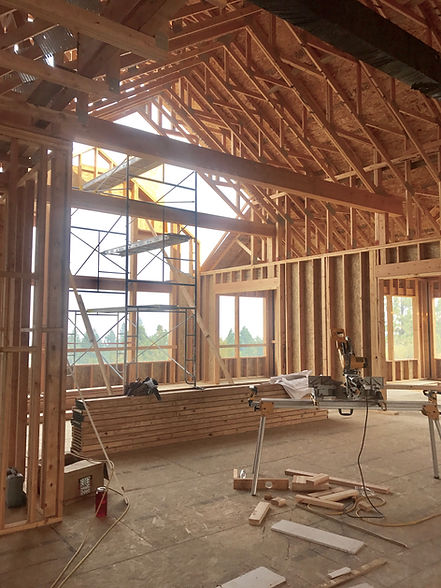
Many people assume that a brand-new home automatically means a healthier home. Unfortunately, that is not always the case. Modern construction materials, synthetic products, and tightly sealed homes can introduce a variety of hidden toxins in new homes. Since most families spend a significant amount of time indoors, indoor air quality and material selection play a major role in long-term comfort, wellness, and overall health.
At KAL Enterprises, we believe a home should be built with both quality craftsmanship and healthy living in mind. As a healthy custom home builder serving North Idaho and the Inland Northwest, we help homeowners make informed choices about the materials and systems used throughout their homes.
Here are some of the most common hidden toxins found in new construction—and how healthier building practices can help reduce them.
1. VOCs (Volatile Organic Compounds)

VOCs are chemicals released into the air from many common building products, including:
Paints and stains
Flooring adhesives
Cabinets
Sealants and finishes
High VOC exposure may contribute to:
Headaches
Eye and throat irritation
Respiratory discomfort
Poor indoor air quality
Healthier Alternative
Using low-VOC or zero-VOC paints, finishes, and adhesives can significantly improve indoor air quality.
2. Formaldehyde in Cabinets and Engineered Wood
Many stock cabinets, subflooring products, and engineered woods contain formaldehyde-based adhesives. These materials can continue off-gassing chemicals long after construction is complete.
Healthier Alternative
Look for:
Low-emission cabinetry
Formaldehyde-free products
Solid wood options when possible
3. Mold and Moisture Problems

Moisture is one of the biggest long-term threats to a healthy home—especially in climates like North Idaho where snow, rain, and seasonal moisture can impact buildings over time.
Poor ventilation and improper building practices can create conditions for:
Mold growth
Mildew
Indoor air quality issues
Healthier Alternative
A properly designed home should include:
Moisture-conscious construction methods
Proper flashing and drainage
High-quality ventilation systems
Balanced humidity control
4. Poor Indoor Air Ventilation
Today’s homes are built more airtight for energy efficiency, but without proper ventilation, indoor pollutants can become trapped inside.
Healthier Alternative
Modern healthy homes often include:
HRV or ERV ventilation systems
Advanced air filtration
Fresh air exchange systems
These systems help improve airflow and indoor comfort year-round.
5. Toxic Flooring Materials

Some flooring products may contain:
Chemical adhesives
PVC materials
Added formaldehyde
Synthetic coatings
Healthier Alternative
Popular healthier flooring choices include:
Hardwood flooring
Tile
Low-emission luxury vinyl products
Natural materials with certified low emissions
6. Fiberglass and Low-Quality Insulation Materials
Insulation plays a major role in comfort and efficiency, but some materials may contribute to airborne particles or moisture issues if improperly installed.
Healthier Alternative
Choosing high-quality insulation systems and proper installation methods helps create:
Better indoor comfort
Improved efficiency
Reduced air leakage
Better moisture management
7. Chemical-Laden Cleaning and Finishing Products
Many construction projects use harsh chemicals during installation and cleanup.
These residues can linger in the home after move-in.
Healthier Alternative
Health-conscious builders prioritize:
Low-toxicity products
Careful product selection
Proper curing and ventilation before occupancy
8. Synthetic Fragrances and Air Fresheners
Many homeowners attempt to mask odors from new construction materials with candles or air fresheners, which can add even more airborne chemicals.
Healthier Alternative
The goal should be eliminating the source of indoor pollutants—not covering them up.
Cleaner materials and proper ventilation naturally improve indoor air quality.
9. Dust and Airborne Construction Particles
Construction dust may contain:
Silica particles
Wood dust
Drywall particles
Chemical residues
Healthier Alternative
Professional construction practices should include:
Dust management
Job site cleanliness
Air sealing practices
Proper system startup and filter replacement
10. Cheap Building Materials Chosen Only for Cost
One of the most overlooked issues in construction is the use of lower-quality materials selected solely to reduce upfront costs.
While this may save money initially, it can affect:
Durability
Maintenance
Indoor comfort
Long-term indoor air quality
Healthier Alternative
Investing in durable, quality materials helps create a home designed for long-term performance and healthier living.

Why Healthy Home Building Matters in North Idaho
As more families move to the Coeur d’Alene area including Hayden, Post Falls, Rathdrum, and Athol, many homeowners are looking beyond aesthetics and focusing on how their homes actually perform over time.
A healthy custom home is about more than trends—it is about creating:
Cleaner indoor air
Better energy efficiency
Improved comfort
Long-term durability
A healthier environment for your family
At KAL Enterprises, we work closely with homeowners throughout the Inland Northwest to help create custom homes built with intentional materials, thoughtful design, and transparency throughout the process.
Avoiding Hidden Toxins In Your New Home By Building Healthier
Whether you are starting the design process or already planning your dream home, making informed decisions early can have a lasting impact on the health, comfort, and performance of your home.
At KAL Enterprises, we help guide clients through every step of the custom home building process—from material selections and design planning to detailed budgeting and construction.
If you are considering building a healthy custom home in North Idaho or the Inland Northwest, we would love the opportunity to help bring your vision to life.


Comments